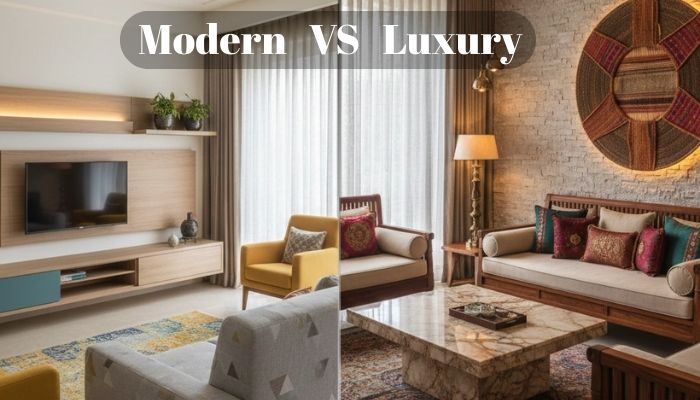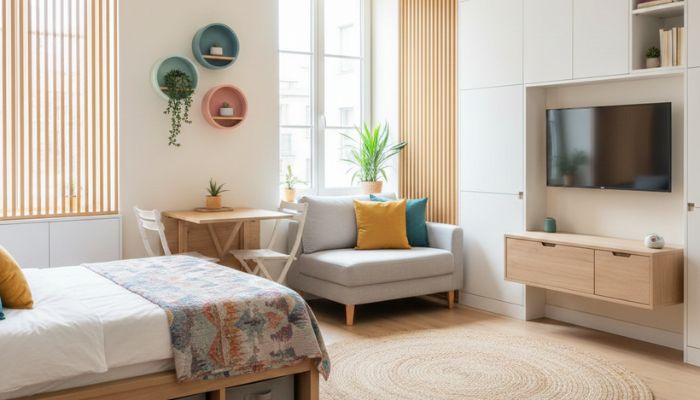
Living in a compact apartment doesn’t mean compromising on comfort or style. With the right planning and execution, small apartment interiors can feel open, functional, and well put together. For urban homes, especially in cities like Kolkata, space is limited, but expectations are not.
This guide breaks down practical design ideas that actually work in real apartments, focusing on smart planning, execution quality, and cost-effective decisions.
What Makes Small Apartment Interiors Challenging?
Most city apartments face similar issues:
- Limited floor area
- Awkward layouts
- Storage shortages
- Poor lighting or ventilation
The key isn’t adding more elements. It’s using the available space intelligently and avoiding common design mistakes that often make homes feel cramped.
Start with Smart Space Planning
Good interiors begin with good planning. In smaller homes, every decision affects how spacious the apartment feels.
Instead of trying to fit everything, focus on:
- Clear movement paths
- Multi-purpose zones
- Minimal visual clutter
Following a structured interior workflow helps avoid last-minute compromises and unnecessary costs.
Use Light Colours and Clean Wall Finishes
Walls play a major role in how large or small a space feels. For compact homes, lighter shades and clean finishes work best.
Popular choices include:
- Neutral emulsions
- Soft pastel tones
- Subtle textured finishes on one accent wall
Thoughtfully executed painting and wall finishes can instantly brighten a room and make it feel more open without structural changes.
Choose Furniture That Works Harder
In small apartment interiors, furniture should earn its place.
Look for:
- Storage beds
- Compact sofas with clean profiles
- Foldable or extendable dining tables
Custom-sized pieces often work better than ready-made furniture, especially in tight rooms.
Maximise Vertical Space for Storage
When floor space is limited, vertical space becomes your best friend.
Smart storage ideas include:
- Full-height wardrobes
- Wall-mounted cabinets
- Loft storage above doors
The goal is to keep the apartment organised while maintaining a clean visual flow, something many modern urban homes struggle to achieve.
Lighting Can Change How Big Your Home Feels
Poor lighting can make even a decent-sized apartment feel smaller. Layered lighting is essential in compact spaces.
Effective solutions include:
- False ceilings with LED lighting
- Cove lights for soft illumination
- Spotlights to highlight key areas
Well-designed false ceilings and lighting not only improve visibility but also add depth to rooms without occupying extra space.
Kitchens and Bathrooms Need Extra Attention
These are usually the smallest yet most-used areas in apartments.
For kitchens and bathrooms:
- Efficient layouts matter more than décor
- Plumbing and electrical planning must be precise
- Storage should be integrated from the start
Professional plumbing and electrical works ensure safety, functionality, and long-term reliability, especially in older apartments undergoing upgrades.
Keep Décor Minimal but Intentional
In compact homes, too many decorative elements can feel overwhelming.
Instead:
- Use one or two statement pieces
- Choose décor that serves a purpose
- Avoid overcrowding shelves and walls
This approach aligns well with modern Indian homes that prioritise comfort over excess.
Renovation Can Be a Smart Move for Older Apartments
If your apartment feels outdated or poorly planned, a partial or full renovation can significantly improve functionality.
A complete home renovation allows you to:
- Rework layouts
- Upgrade lighting and finishes
- Improve storage and usability
Done correctly, renovation doesn’t have to be expensive. It’s about fixing what doesn’t work rather than changing everything.
Why Execution Matters More Than Design in Small Homes
In compact apartments, even small execution errors are noticeable. Crooked finishes, poor lighting placement, or incorrect measurements can ruin the outcome.
This is why working with experienced professionals matters.
Final Thoughts
Well-planned small apartment interiors prove that size doesn’t define comfort or style. With thoughtful planning, smart material choices, and reliable execution, even compact urban homes can feel organised, spacious, and welcoming.
At Elegant Homes Interior, the focus is always on practical solutions, inspected quality, and affordable execution, helping homeowners make the most of every square foot.
FAQ
By focusing on space planning, light colors, smart storage, and efficient lighting instead of adding more furniture or décor.
Light neutrals, soft pastels, and clean wall finishes help reflect light and make compact spaces feel larger.
Yes. Custom furniture fits exact dimensions, improves storage, and avoids wasted space common with ready-made pieces.
Not always. Partial upgrades like lighting, wall finishes, or storage improvements can significantly enhance usability.