Luxury Interior Design Ideas for Modern Indian Homes

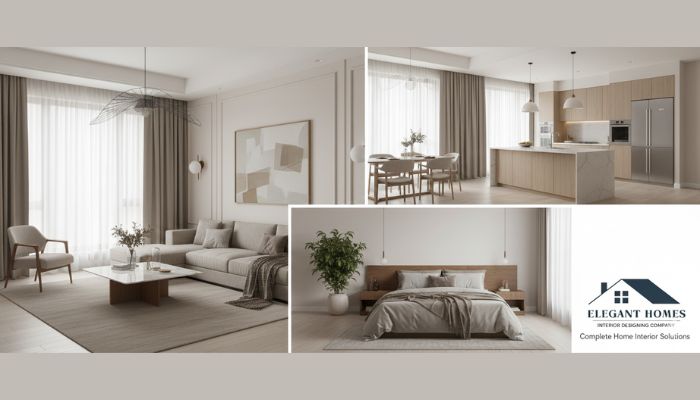
Luxury interior design in India has evolved. It’s no longer about excess or showy décor. Today, luxury means thoughtful design, premium materials, clean execution, and homes that feel calm, functional, and deeply personal.

Let’s break down how luxury interior design actually works for modern Indian homes, whether it’s a city apartment, a duplex, or a villa.

What Luxury Interior Design Really Means Today

Luxury interior design is about quality over quantity. The focus is on finishes, proportions, lighting, and how spaces flow together.

In modern Indian homes, luxury often shows up as

  • Custom-designed furniture instead of ready-made pieces
  • Natural materials like marble, wood, stone, and metal
  • Subtle colour palettes that age well
  • Smart storage that keeps spaces visually clean

This approach creates homes that look refined without feeling cold or overdone.

Living Room Ideas That Feel Premium, Not Loud

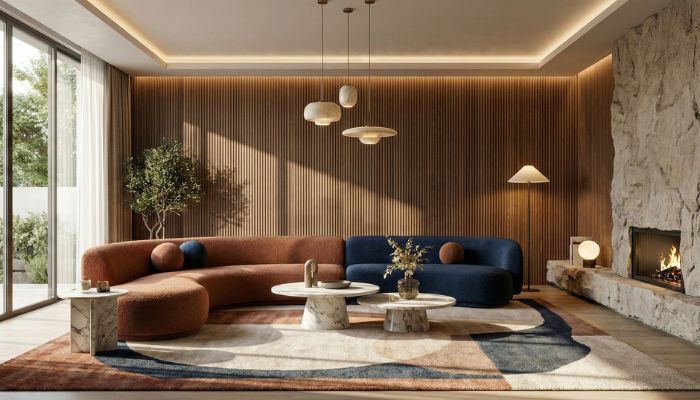
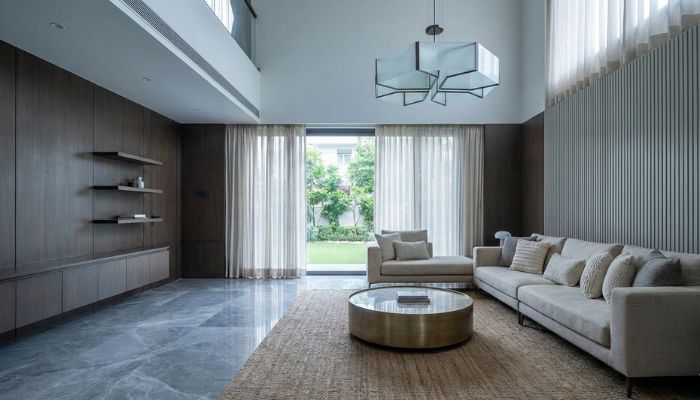
The living room sets the tone for the entire home. A luxury living space doesn’t need too many elements; it needs the right ones.

Key ideas that work beautifully in Indian homes:

  • Neutral sofas with textured cushions instead of bold prints
  • Accent walls in stone, fluted panels, or soft paint finishes
  • Statement lighting that adds character without overpowering the space
  • Wooden or marble centre tables with clean silhouettes

If you’re exploring a balance between elegance and sustainability, blending these ideas with principles of sustainable interior design can elevate both comfort and long-term value.

Bedroom Designs That Focus on Comfort and Calm

Luxury bedrooms are designed to slow you down. Everything, from lighting to materials, should feel intentional.

Popular luxury bedroom elements include:

  • Upholstered headboards in fabric or leather finishes
  • Warm wooden flooring or premium laminates
  • Layered lighting with bedside lamps and concealed LEDs
  • Minimal décor with a focus on symmetry

Instead of filling the room, luxury interior design leaves breathing space.

Modular Kitchens with a High-End Finish

Modern Indian kitchens are expected to look good and work hard. Luxury here comes from efficiency and detailing.

What defines a luxury kitchen:

  • Handle-less cabinetry with matte or high-gloss finishes
  • Quartz or granite countertops with clean edges
  • Soft-close drawers and premium hardware
  • Smart storage solutions designed for Indian cooking needs

A well-designed kitchen adds daily comfort and long-term resale value.

Bathrooms That Feel Like Boutique Hotels

Luxury bathrooms are no longer an afterthought. They’re designed as personal retreats.

Key features include:

  • Large-format tiles for a seamless look
  • Floating vanities with concealed storage
  • Warm lighting instead of harsh white lights
  • High-quality fittings that age gracefully

Even compact bathrooms can feel luxurious with the right layout and materials.

Colour Palettes That Define Modern Luxury

Gone are the days of heavy golds and loud contrasts. Modern luxury interior design in India leans toward:

  • Soft whites, beiges, and greys
  • Earthy tones inspired by nature
  • Muted accent colours used sparingly

These palettes work well across seasons and don’t feel dated quickly.

Materials That Instantly Elevate a Space

Materials play a more significant role in luxury than decorative items.

Commonly used premium materials:

  • Natural marble and stone
  • Solid wood and high-quality veneers
  • Metal accents in brushed gold, bronze, or matte black
  • Textured fabrics like linen, velvet, and suede

When these materials are combined thoughtfully, the space feels rich without being overly done.

Lighting as a Design Feature

Lighting is often what separates regular interiors from luxury ones.

Luxury homes use lighting to:

  • Highlight textures and architectural details
  • Create different moods throughout the day
  • Make spaces feel larger and warmer

Layered lighting, ambient lights, and well-placed fixtures are essential.

Why Professional Planning Matters

Luxury interior design depends heavily on execution. Even the best ideas fall flat without proper planning and detailing.

Working with experienced designers ensures:

  • Better space utilization
  • Material selection that fits your lifestyle
  • A cohesive look across the entire home
  • Fewer mistakes and long-term durability

This is where a design-first approach makes all the difference.

Final Thoughts

At Elegant Homes Interior, we believe that true luxury is more than just what meets the eye – it’s an experience you feel every day. When your design choices are driven by functionality, premium materials, and thoughtful aesthetics, the result is a space that stands the test of time.

Upgrade your home with a design that offers lasting value and everyday luxury.

Get started today! Reach out to us and let’s make your dream home a reality.

Modern Interior Design Trends in India That Will Define 2026

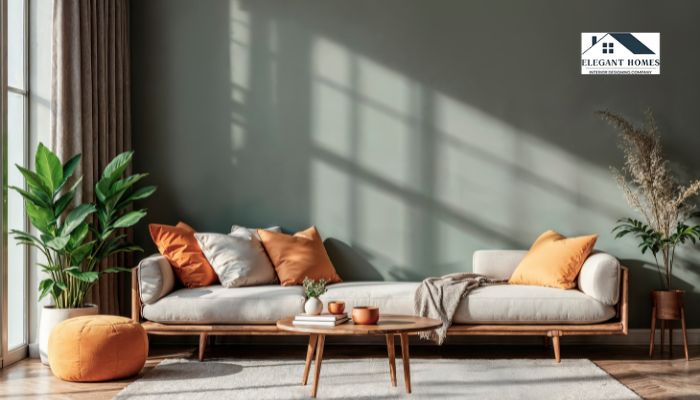
Modern interior design in India for 2026 is moving toward calm, functional luxury. Homes are being designed with cleaner layouts, natural materials, smart storage, and subtle technology that supports daily living rather than overpowering it.

Key Takeaways

  • Indian homes in 2026 will prioritize functionality, space efficiency, and visual calm
  • Natural materials like wood, stone, and textured finishes will dominate modern interiors
  • Design will focus more on lifestyle needs than visual trends
  • Thoughtful lighting, smart planning, and customization will define premium interiors

What Will Modern Interior Design in India Look Like in 2026?

Modern interior design in India is evolving from “stylish homes” to well-planned living spaces. By 2026, the focus is no longer on copying global trends. Instead, Indian homeowners want interiors that work for Indian climates, Indian families, and Indian lifestyles.

This means fewer decorative excesses and more attention to:

  • How a space is used daily
  • How it feels over time
  • How easily it adapts as needs change

At Elegant Homes Interior, this shift is already visible in how homeowners approach layout planning, material selection, and long-term durability.

1. Calm, Neutral Color Palettes With Indian Sensibility

The loud color phases are fading. Modern interior design in India is embracing soft neutrals with depth.

What’s changing:

  • Whites are warmer and layered, not stark
  • Beiges, greys, taupe, and muted earth tones are replacing bold accent walls
  • Contrast comes from texture, not color

This works especially well for Indian apartments where natural light varies across seasons. Neutral palettes keep spaces visually open and timeless, while allowing flexibility with furniture and décor.

Why it matters:
Neutral interiors age better. They’re easier to refresh and feel less dated over time.

2. Natural Materials Are Becoming the New Luxury

In 2026, luxury will feel quiet, not flashy.

Modern Indian interiors are moving toward:

  • Natural wood finishes
  • Stone textures
  • Veneers, laminates with grain detailing
  • Matte surfaces instead of glossy ones

This trend is driven by durability and sustainability. Homeowners want materials that feel solid, age well, and require less frequent replacement.

3. Functional Minimalism Over Decorative Minimalism

Earlier, minimal interiors often felt empty or impractical. In 2026, modern interior design focuses on functional minimalism.

What this looks like:

  • Clean layouts with clear movement paths
  • Furniture that serves multiple purposes
  • Storage that’s integrated, not visible

This trend works particularly well for urban homes where space optimization is essential.

Key idea:
Less clutter doesn’t mean less comfort. It means better planning.

4. Smart Storage as a Core Design Element

Storage is no longer an afterthought. It’s central to modern interior design in India.

Expect to see:

  • Floor-to-ceiling wardrobes
  • Hidden storage within beds, sofas, and seating
  • Modular kitchen units designed for Indian cooking habits

Good storage design directly impacts how spacious a home feels. It also improves long-term livability.

5. Layered Lighting Will Define Modern Homes

Lighting trends in 2026 move away from harsh brightness.

Instead, modern Indian interiors will use layered lighting:

  • Ambient lighting for overall comfort
  • Task lighting for work and cooking
  • Accent lighting to highlight textures and architectural details

The goal is balance. Lighting should adapt to different times of day and activities.

Homes designed with thoughtful lighting plans feel calmer, more premium, and more livable.

6. Indian Kitchens Become More Design-Driven

By 2026, kitchen interiors will focus on:

  • Ergonomic layouts
  • Easy-to-clean materials
  • Seamless integration of appliances

Open kitchens will remain popular, but with smarter zoning to control smells and noise. Matte finishes, handle-less cabinets, and organized internal accessories will dominate.

7. Bedrooms Designed for Mental Comfort

Bedrooms in modern Indian homes are becoming more intentional.

Design trends include:

  • Softer lighting
  • Muted color palettes
  • Reduced visual noise

Technology is present but discreet. Storage is hidden. Furniture is minimal but comfortable.

The focus is rest, not display.

8. Sustainable Choices Become the Default

Sustainability will no longer be an add-on. It will be expected.

Modern interior design in India will increasingly align with principles of sustainable interior design, using materials and layouts that reduce waste and age well.

10. Fewer Trends, Better Decisions

Perhaps the biggest trend of 2026 is restraint.

Homeowners are choosing:

  • Timeless layouts over trendy finishes
  • Quality craftsmanship over fast execution
  • Design decisions that remain relevant for years

This mindset naturally supports long-term luxury interior design thinking.

Why These Trends Matter for Indian Homeowners

in India is no longer about impressing guests. It’s about living better every day.

Homes designed around these trends:

  • Stay relevant longer
  • Feel calmer and more organized
  • Adapt better to changing needs

For homeowners planning new interiors or renovations, understanding these shifts helps make smarter decisions.

Final Thoughts: Designing for 2026 and Beyond

If you’re planning a new home or upgrading your existing space, aligning with these trends ensures your interiors remain functional, elegant, and future-ready.To explore how these ideas can be applied practically, visit Elegant Homes Interior, where design decisions are rooted in experience, planning, and long-term value.

FAQs 💬

Q1. What is modern interior design in India?

 It focuses on clean layouts, functional planning, neutral colors, and materials suited to Indian living conditions.

Q2. Which interior design style will be popular in India in 2026?

Functional minimalism with natural materials, smart storage, and layered lighting will dominate.

Q3. Do modern interiors require high maintenance?

 Not if materials and finishes are chosen thoughtfully.

Q4. Is customization better than ready-made designs?

 Yes. Customized interiors align better with lifestyle needs and space constraints.

Q5. How to choose the right interior designer in India?

 Look for experience, practical planning, transparent processes, and a focus on long-term usability.


Sustainable Interior Design: How to Create Eco-Friendly Spaces That Inspire

Sustainable interior design is no longer just a trend; it has become a necessity. More homeowners want spaces that look good, feel good, and reduce their environmental impact. The good news is you don’t need a full renovation to move toward an eco-friendly home because small choices make a big difference when they’re planned well.

Let’s break it down in the simplest way possible.

1. Start With Natural and Long-Lasting Materials

 Wood, bamboo, cane, jute, and natural stone age beautifully and need less replacement over time. Choosing durable materials also cuts down waste, which is the core idea behind sustainable design.

This is especially helpful when planning your modular kitchen or wardrobes, where quality and longevity truly matter.

2. Use Eco-Friendly Paints and Finishes

Many paints contain chemicals that affect indoor air quality. Switching to low-VOC or zero-VOC paints keeps your home safer and reduces that strong paint smell people usually complain about. It’s a simple step, but it improves comfort right away.

3. Let Natural Light Do Most of the Work

Before adding more lights, take a look at how sunlight enters your rooms.
A well-planned layout, sheer curtains, and reflective surfaces can brighten your space without increasing your electricity bill, and if you do need artificial lighting, go for LEDs. They save energy and last longer.

4. Reuse, Refurbish, and Repurpose

Sustainable design isn’t always about buying new things. Sometimes the best move is to breathe new life into what you already own—old wooden furniture can be polished, reupholstered, or redesigned instead of being thrown out. Even décor pieces can be repainted or restyled..

5. Choose Energy-Efficient Appliances

Appliances make a big difference in everyday consumption.
Refrigerators, air conditioners, and washing machines with higher energy ratings reduce electricity use and lower your bills.
Smart power strips and timers also help cut waste without effort.

6. Add Indoor Plants for Cleaner Air

Plants are one of the easiest ways to refresh a room.
They improve air quality and give your home a natural, calming feel.
Even a few plants in the living room or bedroom make the space look more inviting.

7. Plan Your Space Well to Reduce Waste

Good space planning reduces unnecessary purchases.
When your layout is clear, you avoid buying extra furniture that doesn’t fit or décor that gets stored away.
This is where working with professionals helps — every element is measured, planned, and used wisely.

If you’re setting up a new home or renovating, you can explore Elegant Homes Interior’s full home interior design services. The goal is simple: create a space that looks good and works well without unnecessary waste.

Final Thoughts

Sustainable interior design is all about making thoughtful choices.
Whether you’re upgrading one room or planning your entire home, the right materials, lighting, and layouts help you build spaces that are stylish, comfortable, and kinder to the environment.


Interior Design Trends 2025: What’s In and What’s Out

Interior design trends in 2025 centered around warmth, texture, natural materials, softer minimalism, and practical luxury. Cold and ultra-modern looks are giving way as homeowners want comfort, personality, and functionality.

To bring these 2025 design trends to life—especially the shift toward comfort-driven luxury—many homeowners turn to the best Interior designer for guidance on blending style with everyday usability.

✧ What’s In for 2025

Cold minimalism is fading. The new version is softer, more organic, and more inviting.

Characteristics of warm minimalism:

  • Curved lines over sharp edges
  • Fewer but statement pieces
  • Natural textures: linen, oak, cane, rattan
  • Soothing palettes

Why it works: It keeps the home clutter-free but still comfortable and stylish.

2. Natural Materials and Textures

Designers around the world are embracing natural finishes because they age beautifully and remain timeless.

Popular picks in 2025:

  • Slate, marble, granite, and terrazzo
  • Real wood finishes
  • Natural fabrics

Concrete floors and stone feature walls continue to trend because they’re durable, easy to maintain, and timeless.

3. Earthy Color Palettes

2024 was about grey. 2025 is about earth tones and layered neutrals.

Expect to see:

  • Sand, beige, walnut, olive, taupe, terracotta
  • Soft pastels instead of loud primary colors

These palettes are calming and visually lighter, especially for Indian homes with compact layouts.

4. Multifunctional Spaces and Smart Storage

Space efficiency is a top priority. Storage walls, modular furniture, and flexible layouts are no longer optional.

Styles that are trending:

  • Built-in seating
  • Foldable furniture
  • Modular cabinetry
  • Media walls replacing bulky units

Homes with storage look more spacious and organized.

5. Statement Lighting

Lighting is one of the most impactful upgrades. Designers are treating lighting as décor.

What’s trending:

  • Sculptural lights
  • Layered lighting: ambient, task, and accent
  • Floor lamps and wall sconces

It adds depth, dimension, and mood without taking up space.

6. Biophilic Design

In 2025, homes are all about bringing the outdoors in.

This trend includes:

  • Indoor plants
  • Terracotta planters
  • Natural light optimization
  • Large windows and open layouts

Studies have shown that nature-inspired spaces improve focus and reduce stress (source: Harvard Health).

7. Curved Silhouettes

Arches, curved sofas, round tables, and wavy mirrors are replacing sharp and rigid shapes.

Why it works: it softens the home’s visual flow and makes interiors feel calmer.

8. Vintage Touches and Personal Accents

Instead of showroom-style décor, homeowners want customized living spaces.

Trending accents:

  • Handcrafted furniture
  • Custom cabinetry
  • Personal collections
  • Art pieces

It adds identity and emotional value.

✧ What’s Out in 2025

1. All-White Interiors

They’re high maintenance and feel sterile. People want warmth instead.

2. Overdecorating and Excess Furniture

Heavy interiors feel outdated and cluttered.

3. Fast Furniture

Cheap MDF furniture doesn’t last. Timber, cane, and custom carpentry are replacing it.

4. Harsh Minimalism

Blank walls, bare décor, and monotone colours are no longer desirable.

5. Industrial Dark Interiors

The black-metal-and-grey warehouse look has peaked.

✧ Interior Design Trends for Each Room

Living room

  • Layered lighting (ceiling + wall + floor)
  • Warm wood tones
  • Textured fabrics
  • Slim media walls and hidden storage

The core idea: a clean, cozy, and functional space that feels curated, not crowded.

Bedroom

  • Soft upholstered beds and headboards
  • Neutral fabrics and warm colors
  • Minimal décor that feels calm
  • Smart wardrobes and sliding units

The core idea: a relaxing, hotel-like feel without excess furniture.

Kitchen

  • Quartz and stone countertops
  • Sleek modular layouts
  • Integrated appliances
  • Concealed storage and handleless cabinets

The core idea: clean lines and convenience first.

Bathroom

  • Spa-inspired fixtures
  • Natural stone tiles
  • Rain showers and matte finishes
  • Warm lighting

The core idea: hotel-style comfort and natural luxury.

✧ How Elegant Homes Interior Helps You Implement These Trends

If you want an updated home, the easiest shortcut is working with a professional design team that understands both aesthetics and space management.

At Elegant Homes Interior, we design modern, luxury, and space-smart interiors for homes in Kolkata and across West Bengal. Our experts help you with:

  • Custom modular kitchens
  • Wardrobe and storage design
  • False ceiling, lighting, and electrical planning
  • Premium materials and modern layouts
  • Budget-friendly and luxury solutions

If you want your home makeover to follow the latest 2025 interior trends with practical design and flawless execution, you can always book a free consultation.

🎉 New Year Offer: Complimentary 3D Interior Design

Transform your home before the New Year and receive:

  • A complimentary 3D interior design
  • An exclusive limited-time discount on your final project cost

Offer valid until 31st December 2025.