Common Interior Design Mistakes to Avoid in 2026

Most interior design mistakes happen because people rush into selections without planning the layout, lighting, materials, and scale. Get the basics right first. A thoughtful design plan always beats expensive fixes later.

Key Takeaways

  • Avoid squeezing too many design ideas into one room.
  • Lighting and layout decide the comfort, not just décor.
  • Cheap materials look expensive in the long run.
  • A well-designed home balances beauty and functionality.

Why People Still Make These Mistakes

Design feels simple until you do it. People rush and buy furniture and décor first. They choose wall colors before considering about lighting and they select a sofa because it looks nice in a catalogue, not in their space.

Here’s the thing. Interior design isn’t about expensive décor. It’s about flow, comfort, and a home that actually works for your lifestyle.

1. No Clear Design Vision

This is the most common interior design mistake. People shop before planning. They mix styles without realising it and end up with a room that feels confusing.

How to avoid it:
Create a clear vision before you spend money.
Pick a design style that guides every decision.

If you need professional guidance, check out our interior design services, where we help you plan layouts, materials, and design directions from the outset.

2. Ignoring Lighting

Lighting is rarely the first thing people think about. But it controls the entire mood of the room.

What this really means is:
good lighting makes even a simple room feel premium. Bad lighting makes expensive décor look dull.

Fix it:

  • Mix ambient, accent and practical lighting
  • Use warm tones in the living room and bedrooms
  • Keep windows free from clutter

3. Buying the Wrong Furniture Size

A room looks cramped or awkward when the scale is wrong.

Common issues:

  • Over-sized sofas in small rooms
  • Tiny rugs in large halls
  • Furniture pushed against the walls

Simple planning tips:

  • Measure first
  • Leave walking space
  • Buy furniture for activity zones, not just “aesthetics”.

If you’re unsure about layout, our home renovation service helps clients plan the space to avoid these costly mistakes.

4. Trend Overload

Trends are fun, but too many trends turn a home into a showroom.

2026 interior trends include curved furniture, natural textures, neutral palettes, and soft metallics. These look great when used thoughtfully. Here smart approach is to use trends as accents. Build the base with timeless materials and colors.

5. Forgetting Storage

Beautiful homes fall apart without smart storage. Clutter kills design faster than anything.

Storage ideas that always work:

  • Built-in wardrobes
  • Floating cabinets
  • Multi-purpose furniture
  • Kitchen organizers

Great design always supports daily movement, not just display

6. Choosing Low-Quality Materials

Cheap materials seem smart initially. Later, they crack, fade, or get damaged.

If you are building or renovating in India, the materials you choose decide how long your home looks fresh.

Better choices:

  • Moisture-resistant kitchen cabinets
  • Quality wall paint
  • Solid wood or engineered wood
  • Durable flooring

7. Underestimating Budget and Timeline

Most projects exceed budget because people forget about

  • Labor
  • Installation
  • Electrical and carpentry
  • Finishing materials

Keep a realistic number. Add extra buffer for unplanned fixes.

8. Underestimating Budget and Timeline

Most projects exceed budget because people forget about

  • Labor
  • Installation
  • Electrical and carpentry
  • Finishing materials

Keep a realistic number. Add extra buffer for unplanned fixes.

How Elegant Homes Interior Helps You Avoid These Mistakes

At Elegant Homes Interior, we build interiors that balance functionality, comfort, and style. We assist homeowners in planning every detail, from layout to materials and finishing.

What you get with us:

  • Custom layouts for every room
  • Material and color consultation
  • Modular kitchen and wardrobe design
  • Full execution and installation
  • Space-saving and smart storage solutions
  • Transparent pricing and timelines

Conclusion

The biggest design mistakes often result from skipping the planning. When you focus on layout, lighting, quality materials, and personalization, your home becomes a place that works beautifully and feels timeless.

Great design isn’t about spending more. It’s about thinking ahead.

Why Hiring a Professional Interior Designer Saves Your Money (and Mistakes)

Why do people end up overspending without a designer

When someone handles interiors on their own, they usually depend on guesswork. They pick colors that don’t match, buy furniture that doesn’t fit, and follow trends that don’t suit their space. One wrong decision snowballs into another, and suddenly the budget goes way beyond the plan.

A professional interior designer cuts through this confusion. They look at your home, understand your style, create a layout, and guide every purchase to ensure you don’t waste money on replacements later.

How a designer helps you stick to the budget

Let’s break it down. Designers are well-versed in prices, materials, and alternatives better than anyone. They can tell you exactly where to invest and where you can save.
They also create a planned timeline so you don’t deal with mid-project delays, extra labor charges, or last-minute rework.

If your site focuses on interiors, you can naturally place an internal link here, like linking to your service or consultation page.

Avoiding costly design mistakes

What this really means is that a designer catches problems before they become expensive. For example:

  • Buying oversized sofas for a compact living room
  • Choosing the wrong fabric that fades or stains easily
  • Installing lighting that looks good in catalog photos but bad in real rooms
  • Selecting materials that don’t hold up in Indian climate conditions

A designer knows how to avoid these traps. Instead of redoing things later, you get it right the first time.

Smart sourcing and access to better pricing

Designers have vendor networks, so they know where to get the best materials within your budget. You save money on furniture, decor, laminates, lighting, and even labor because they negotiate better rates.

A designer gives your home long-term value

Good interiors are not just about looking pretty today. They should stay functional and beautiful for years. A professional interior designer plans your space to ensure durability, storage, movement, and sunlight, so the home never feels cluttered or outdated.

You save long-term maintenance costs because everything is built with the right materials and right planning.

When you add it all up, hiring a designer actually saves money

Once you consider fewer mistakes, smarter purchases, better material selection, and long-lasting design choices, the value becomes clear.

‣ You spend wisely instead of blindly.

‣ Get a home that feels right and works well for your lifestyle.

‣ You can explore how professional designers work by checking a dedicated page, such as our interior design services.

Conclusion

Hiring a professional interior designer isn’t an extra cost. It’s a smarter way to protect your budget, avoid the classic mistakes, and build a home that actually works for you. When someone with experience guides your choices, every inch of your space has a purpose, every rupee is spent wisely, and you end up with interiors that stay beautiful for years.


The Complete Guide to the Interior Design Process

Quick Answer

The interior design process is the step-by-step method designers use to transform a space—from initial consultation and concept creation to planning, execution, and final styling. It helps you move from ideas to a fully finished home with clarity, structure, and zero guesswork.

Core stages include: Consultation, Site Assessment, Concept & Mood Boards, Space Planning, Material Selection, 3D Rendering, Budgeting, Execution, Quality Checks, and Handover.

If you’re just starting your home transformation, you can also explore our residential interior design services to understand how the team handles turnkey projects built around durability and style. Let’s break it down so you know exactly what to expect.

Step-By-Step Interior Design Process (Used by Industry Professionals)

  • 1. Initial Consultation: Understanding Your Needs

This first meeting shapes everything that follows. You discuss:

  • Your lifestyle
  • Aesthetic preferences
  • Functional needs
  • Budget range
  • Timeline

Designers gather references, clarify expectations, and outline the scope of work. This prevents miscommunication later.

  • 2. Site Visit and Measurements

nce the designer understands your goals, a site analysis follows. It includes:

  • Exact room measurements
  • Light and ventilation check
  • Structural limitations
  • Electrical and plumbing points

 Elegant Homes Interior team also handles plumbing and electrical work to align new layouts with technical feasibility.

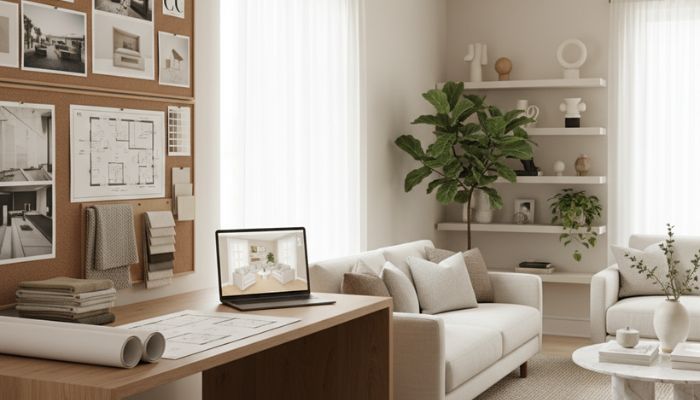
  • 3. Concept Development and Mood Boards

Here’s where ideas start taking life. Designers explore themes such as:

  • Minimalist
  • Modern classic
  • Scandinavian
  • Contemporary
  • Rustic luxury

Mood boards help you visualize how colors, textures, fabrics, and furniture styles come together.

  • 4. Space Planning and Layouts

This stage is about functionality Designers prepare:

  • Furniture layouts
  • Traffic flow plans
  • Zoning
  • Storage planning
  • Modular kitchen structure

Good space planning ensures your home feels spacious, balanced, and usable every day.

  • 5. Material and Finish Selection

You choose:

  • Laminates
  • Veneers
  • Marble and tiles
  • Textiles
  • Paint shades
  • Hardware
  • Lighting fixtures

A designer’s experience helps you avoid materials that look good on paper but fail in real-life use.

  • 6. 3D Visualizations

Now you see your home before it’s built. 3D renders allow you to:

  • Preview furniture placement
  • Understand lighting levels
  • Compare color options
  • Approve or adjust designs

This step eliminates guesswork and boosts confidence in final decisions.

  • 7. Budget Planning

Once designs are approved, a consolidated cost sheet is created. It includes:

  • Furniture manufacturing
  • Civil work
  • Electrical and plumbing changes
  • Painting and wallpaper
  • False ceiling
  • Décor and lighting fixtures

Transparent budgeting prevents unexpected expenses mid-project.

  • 8. Execution and Production

This is where the magic happens Depending on your design, execution may include:

  • Modular factory production
  • On-site carpentry
  • Civil adjustments
  • Electrical rewiring
  • Ceiling and lighting installation
  • Painting and wall treatments
  • Furniture installation

Elegant Homes Interior also handles false ceilings and lighting so your space feels balanced and well-lit. A professional studio runs strict quality checks during each phase.

  • 9. Styling and Final Handover

The last stage is about bringing character into your space. Designers add:

  • Curtains
  • Rugs
  • Art
  • Plants
  • Table décor
  • Accent lighting

Once the styling is complete, your home is cleaned, inspected, and handed over.

Behind the Scenes: How Elegant Homes Interior Ensures Quality

Elegant Homes Interior focuses on:

  • Premium hardware and materials that last
  • Factory-finished modular furniture for uniformity
  • On-site supervision to avoid construction errors
  • Client walkthroughs during major milestones
  • Timely project delivery

This disciplined approach is why the brand is trusted for turnkey residential projects across India. You can always learn more about the team’s approach on the official website.

How Long Does the Interior Design Process Take?

Timelines depend on scope, but here’s a realistic estimate:

AreaTimeline
1BHK30–45 days
2BHK45–60 days
3BHK60–75 days
Villas90+ days

Custom elements or heavy civil work can extend the timeframe.

What Influences the Overall Cost?

People often ask why interior budgets vary. These factors play a major role:

  • Size of the home
  • Material choices
  • Custom vs modular furniture
  • Brand of hardware and appliances
  • Civil modifications
  • Complexity of the false ceiling
  • Lighting plan

Working with a professional ensures the design and execution match your lifestyle, not just trends.

Tips to Make Your Interior Design Project Smooth

  • Have Pinterest ideas ready, but stay open to professional advice.
  • Lock your budget early.
  • Approve drawings and 3D renders on time.
  • Don’t rush material selection.
  • Ask for regular project updates.
  • Think long-term, especially for kitchen and wardrobe materials.

Final Thoughts

The interior design process is a structured journey that turns your space into something functional, personal, and timeless. When done right, it eliminates stress and helps you achieve a home that reflects you.

Elegant Homes Interior uses this structured flow to deliver thoughtful, high-quality spaces that feel warm, aesthetic, and practical every day. If you’re ready to begin your project, you can contact the team directly for a consultation.

FAQ

Q1. What is the interior design process?

Ans. It’s a structured workflow that covers planning, designing, material selection, execution, and final styling to transform a space.

Q2. How many stages are there in the interior design process?

Ans. Most professional studios follow 8–10 stages, including consultation, concept development, layouts, budgeting, and execution.

Q3. How long does interior design usually take?

Ans. A typical home takes 45–75 days, depending on the size, materials, and complexity of the design.

Q4. Do I need a designer, or can I manage the process myself?

Ans. You can try managing it yourself, but a designer prevents costly mistakes and speeds up execution.

Q5. When should I hire an interior designer?

Ans. Ideally, right after getting possession or during construction, so layout planning aligns with electrical and plumbing points.


Modern vs Contemporary Interior Design: What’s the Real Difference?

Modern vs Contemporary: The Key Differences

AspectModern DesignContemporary Design
Timeframe1940s–1970s (Mid-century)Present-day, always evolving
Philosophy“Form follows function”“Freedom of form and expression”
Color PaletteWarm neutrals and earthy tonesMonochrome with bold contrasts
MaterialsWood, stone, leatherGlass, metal, steel, sustainable composites
Lines & ShapesStraight, clean, geometricCurved, fluid, artistic
MoodCalm, stable, structuredPlayful, bold, experimental

1. The Confusion Between Modern and Contemporary

People often use “modern” and “contemporary” interchangeably, but in interior design, they represent two distinct approaches.
Understanding the difference helps you make smarter design decisions that align with your personal taste and long-term home goals.

At Elegant Homes Interior, we’ve seen clients inspired by both aesthetics. They love modern simplicity but crave the dynamism of contemporary trends.

2. Origin & Philosophy: Modern vs Contemporary

Modern Interior Design: Rooted in History

Modern design originated in the early to mid-20th century, influenced by the Bauhaus movement and Scandinavian minimalism. It emphasizes form following function, clean lines, and neutral palettes.

Core Traits:

  • Neutral tones (beige, brown, white, gray)
  • Natural materials like wood, leather, and stone
  • Open layouts and uncluttered spaces
  • Functional furniture with geometric precision

3. Contemporary Interior Design: Inspired by the Present

Contemporary design is dynamic and fluid. It evolves with current trends. While modern has fixed rules, contemporary elegantly breaks them.

Core Traits:

  • Mix of textures, curves, and minimalist furniture
  • Bold accents (black, charcoal, metallics)
  • Sustainable and smart-material use
  • Emphasis on open light and flexibility

Think of modern as a timeless structure and contemporary as creative evolution.

4. How to Choose the Right Style for Your Home

Choosing between modern and contemporary depends on your lifestyle and space personality.

  • Prefer minimalism, structure, and calm tones? Go Modern.
  • Love trend-forward, flexible spaces? Choose Contemporary.
  • Want both? Combine them to modernize your foundation and contemporize your creative layer.

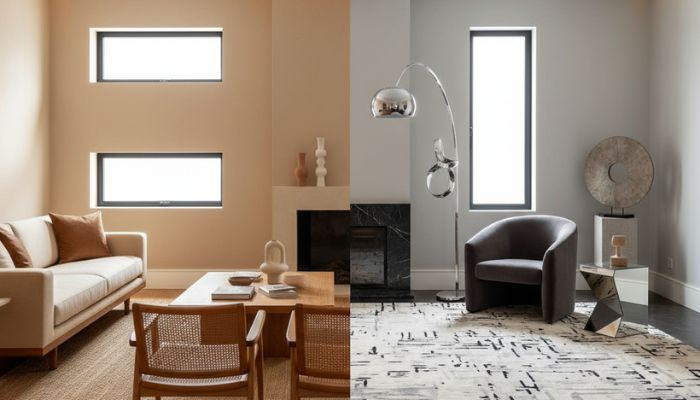
Example: Pair a mid-century wooden sofa (modern) with a sleek black metal floor lamp (contemporary).

5. Why Elegant Homes Interior Excels in Both

At Elegant Homes Interior, we bring years of expertise in both modern and contemporary interior design styles.

Here’s what makes our work stand out:

  • Design Clarity: We decode your lifestyle into functional design blueprints.
  • Material Intelligence: Blending warmth (wood, textures) with modern tech (lighting, automation).
  • Local Expertise: Understanding Kolkata homes and lifestyle patterns.
  • End-to-End Execution: From concept visuals to final décor, managed seamlessly.

👉 Explore our latest modern and contemporary projects at eleganthomesinterior.com/our-projects/

FAQs

Q1. Which style is more timeless — modern or contemporary?

Ans. Both can be combined for longevity.

Q2. Can I mix modern and contemporary interiors?

Ans. Yes, it’s a popular choice. Designers blend both styles to create balanced, future-ready interiors.

Q3. Does Elegant Homes Interior offer both design styles?

Ans. Absolutely. Our team customizes both styles to suit your space, lifestyle, and budget. Explore our services to see how we bring your design vision to life.

10 Timeless Interior Design Styles That Will Never Go Out of Trend

Some interior design styles never fade because they blend comfort, craftsmanship, and character. From minimalism to vintage charm, these timeless designs adapt beautifully across decades and trends.

1. Modern Interior Design

Clean lines, open spaces, and functional minimalism define this look. Modern design emphasizes neutral tones, natural light, and uncluttered layouts — perfect for urban homes.

Want this look for your own home? Explore our interior design services and see how our designers bring modern spaces to life.

2. Contemporary Style

While often confused with modern, contemporary design evolves with the times but keeps its core minimalist DNA. Think neutral palettes, soft curves, and eco-friendly materials.

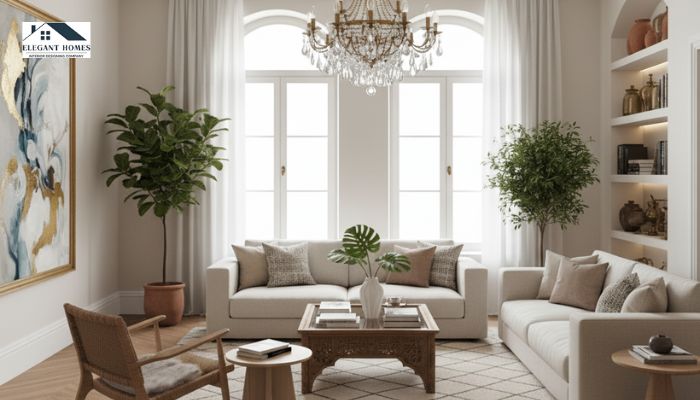
3. Classic European Elegance

Inspired by Italian and French architecture, this style features ornate furniture, moldings, and symmetry.
Gold accents, chandeliers, and polished marble floors are key hallmarks of this look.

4. Scandinavian Minimalism

Scandinavian design focuses on functionality and warmth. White walls, wooden textures, and cozy textiles create a calm, clutter-free aesthetic.

“Less but better” — that’s the Scandinavian philosophy Elegant Homes Interior often applies to small-space projects.

5. Industrial Loft Style

Exposed brick walls, metal beams, and raw finishes define this urban favorite. It’s timeless because it celebrates imperfection — a reminder that design can be beautiful without polish.

6. Mid-Century Modern

Retro meets functionality. With streamlined furniture, organic curves, and bold accent colors, this 1950s style continues to dominate design magazines and Pinterest boards.

7. Minimalist Zen

Rooted in Japanese philosophy, Zen interiors emphasize simplicity, balance, and natural materials. Perfect for those seeking serenity and mindfulness at home.

8. Rustic Country Charm

Warm, earthy, and comforting — rustic design brings the outdoors inside with reclaimed wood, natural fabrics, and handcrafted décor. Ideal for family homes or cozy retreats.

9. Art Deco Revival

Bold geometry, metallic accents, and luxurious textures define Art Deco. This style oozes glamour and sophistication — great for statement homes that don’t shy from drama.

10. Transitional Design

A perfect blend of classic and contemporary. Transitional interiors combine modern functionality with timeless craftsmanship — balancing comfort with visual harmony.

What Makes a Design Style “Timeless”?

Core qualities include:

  • Simplicity and functionality
  • Neutral color palettes with warm undertones
  • Quality materials like wood, stone, and metal
  • Balanced proportions and minimal clutter
  • Personal touches that evolve with time

Tips to Blend Classic and Contemporary Elements

To future-proof your interiors:

  1. Use neutral bases with versatile textures.
  2. Add timeless furniture and rotate trendy accessories.
  3. Focus on lighting, proportion, and natural materials.
  4. Choose durable finishes like solid wood and brass.
  5. Invest in quality craftsmanship — it outlasts any trend.

Why Timeless Design Is a Smart Investment

Design fads fade, but timeless interiors maintain both emotional and market value.
A timeless home is easier to refresh, easier to sell, and more satisfying to live in.

Elegant Homes Interior designs each project for long-term harmony — where every texture, color, and layout choice serves both beauty and practicality.

Key Takeaways:

  • Classic, Scandinavian, and Modern styles remain forever relevant.
  • Choose styles that align with your lifestyle, not fleeting fads.
  • Mixing timeless elements keeps interiors elegant and future-proof.
  • Work with expert interior designers to personalize any style.

Why Choose Elegant Homes Interior

At Elegant Homes Interior, we don’t chase trends — we create lasting impressions.

Here’s what sets us apart:

  • Experienced Designers: Over 6 years of experience in Kolkata’s luxury and residential interiors.
  • Custom Design Philosophy: Every project is crafted around your lifestyle and vision.
  • End-to-End Execution: From design concept to final setup, everything under one roof.
  • Proven Aesthetic: A perfect balance between timeless style and modern functionality.

👉 Explore our portfolio or book your free consultation at ElegantHomesInterior.com.