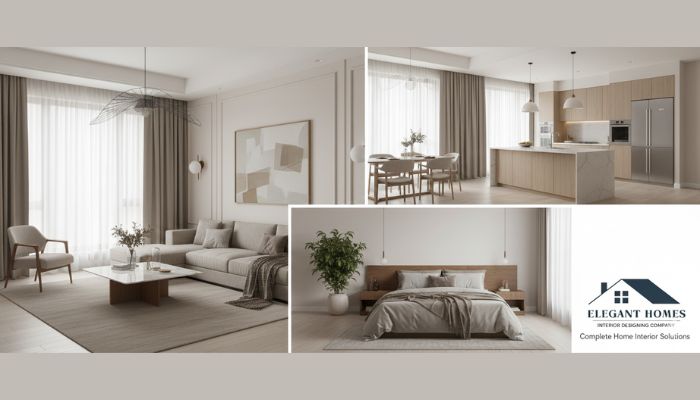
Sustainable interior design is no longer just a trend; it has become a necessity. More homeowners want spaces that look good, feel good, and reduce their environmental impact. The good news is you don’t need a full renovation to move toward an eco-friendly home because small choices make a big difference when they’re planned well.
Let’s break it down in the simplest way possible.
1. Start With Natural and Long-Lasting Materials
Wood, bamboo, cane, jute, and natural stone age beautifully and need less replacement over time. Choosing durable materials also cuts down waste, which is the core idea behind sustainable design.
This is especially helpful when planning your modular kitchen or wardrobes, where quality and longevity truly matter.
2. Use Eco-Friendly Paints and Finishes
Many paints contain chemicals that affect indoor air quality. Switching to low-VOC or zero-VOC paints keeps your home safer and reduces that strong paint smell people usually complain about. It’s a simple step, but it improves comfort right away.
3. Let Natural Light Do Most of the Work
Before adding more lights, take a look at how sunlight enters your rooms.
A well-planned layout, sheer curtains, and reflective surfaces can brighten your space without increasing your electricity bill, and if you do need artificial lighting, go for LEDs. They save energy and last longer.
4. Reuse, Refurbish, and Repurpose
Sustainable design isn’t always about buying new things. Sometimes the best move is to breathe new life into what you already own—old wooden furniture can be polished, reupholstered, or redesigned instead of being thrown out. Even décor pieces can be repainted or restyled..
5. Choose Energy-Efficient Appliances
Appliances make a big difference in everyday consumption.
Refrigerators, air conditioners, and washing machines with higher energy ratings reduce electricity use and lower your bills.
Smart power strips and timers also help cut waste without effort.
6. Add Indoor Plants for Cleaner Air
Plants are one of the easiest ways to refresh a room.
They improve air quality and give your home a natural, calming feel.
Even a few plants in the living room or bedroom make the space look more inviting.
7. Plan Your Space Well to Reduce Waste
Good space planning reduces unnecessary purchases.
When your layout is clear, you avoid buying extra furniture that doesn’t fit or décor that gets stored away.
This is where working with professionals helps — every element is measured, planned, and used wisely.
If you’re setting up a new home or renovating, you can explore Elegant Homes Interior’s full home interior design services. The goal is simple: create a space that looks good and works well without unnecessary waste.
Final Thoughts
Sustainable interior design is all about making thoughtful choices.
Whether you’re upgrading one room or planning your entire home, the right materials, lighting, and layouts help you build spaces that are stylish, comfortable, and kinder to the environment.