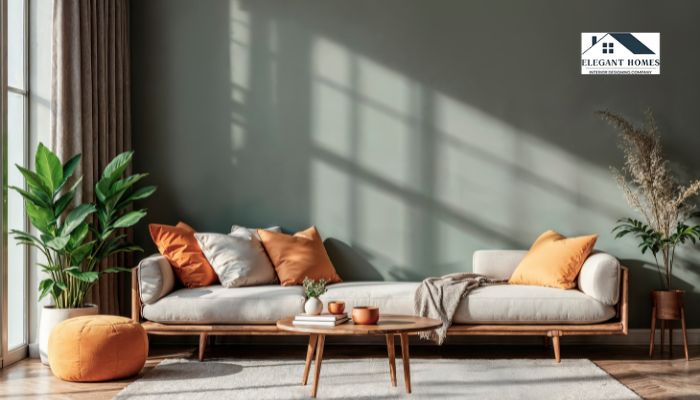
Modern interior design in India for 2026 is moving toward calm, functional luxury. Homes are being designed with cleaner layouts, natural materials, smart storage, and subtle technology that supports daily living rather than overpowering it.
Key Takeaways
- Indian homes in 2026 will prioritize functionality, space efficiency, and visual calm
- Natural materials like wood, stone, and textured finishes will dominate modern interiors
- Design will focus more on lifestyle needs than visual trends
- Thoughtful lighting, smart planning, and customization will define premium interiors
What Will Modern Interior Design in India Look Like in 2026?
Modern interior design in India is evolving from “stylish homes” to well-planned living spaces. By 2026, the focus is no longer on copying global trends. Instead, Indian homeowners want interiors that work for Indian climates, Indian families, and Indian lifestyles.
This means fewer decorative excesses and more attention to:
- How a space is used daily
- How it feels over time
- How easily it adapts as needs change
At Elegant Homes Interior, this shift is already visible in how homeowners approach layout planning, material selection, and long-term durability.
1. Calm, Neutral Color Palettes With Indian Sensibility
The loud color phases are fading. Modern interior design in India is embracing soft neutrals with depth.
What’s changing:
- Whites are warmer and layered, not stark
- Beiges, greys, taupe, and muted earth tones are replacing bold accent walls
- Contrast comes from texture, not color
This works especially well for Indian apartments where natural light varies across seasons. Neutral palettes keep spaces visually open and timeless, while allowing flexibility with furniture and décor.
Why it matters:
Neutral interiors age better. They’re easier to refresh and feel less dated over time.
2. Natural Materials Are Becoming the New Luxury
In 2026, luxury will feel quiet, not flashy.
Modern Indian interiors are moving toward:
- Natural wood finishes
- Stone textures
- Veneers, laminates with grain detailing
- Matte surfaces instead of glossy ones
This trend is driven by durability and sustainability. Homeowners want materials that feel solid, age well, and require less frequent replacement.
3. Functional Minimalism Over Decorative Minimalism
Earlier, minimal interiors often felt empty or impractical. In 2026, modern interior design focuses on functional minimalism.
What this looks like:
- Clean layouts with clear movement paths
- Furniture that serves multiple purposes
- Storage that’s integrated, not visible
This trend works particularly well for urban homes where space optimization is essential.
Key idea:
Less clutter doesn’t mean less comfort. It means better planning.
4. Smart Storage as a Core Design Element
Storage is no longer an afterthought. It’s central to modern interior design in India.
Expect to see:
- Floor-to-ceiling wardrobes
- Hidden storage within beds, sofas, and seating
- Modular kitchen units designed for Indian cooking habits
Good storage design directly impacts how spacious a home feels. It also improves long-term livability.
5. Layered Lighting Will Define Modern Homes
Lighting trends in 2026 move away from harsh brightness.
Instead, modern Indian interiors will use layered lighting:
- Ambient lighting for overall comfort
- Task lighting for work and cooking
- Accent lighting to highlight textures and architectural details
The goal is balance. Lighting should adapt to different times of day and activities.
Homes designed with thoughtful lighting plans feel calmer, more premium, and more livable.
6. Indian Kitchens Become More Design-Driven
By 2026, kitchen interiors will focus on:
- Ergonomic layouts
- Easy-to-clean materials
- Seamless integration of appliances
Open kitchens will remain popular, but with smarter zoning to control smells and noise. Matte finishes, handle-less cabinets, and organized internal accessories will dominate.
7. Bedrooms Designed for Mental Comfort
Bedrooms in modern Indian homes are becoming more intentional.
Design trends include:
- Softer lighting
- Muted color palettes
- Reduced visual noise
Technology is present but discreet. Storage is hidden. Furniture is minimal but comfortable.
The focus is rest, not display.
8. Sustainable Choices Become the Default
Sustainability will no longer be an add-on. It will be expected.
Modern interior design in India will increasingly align with principles of sustainable interior design, using materials and layouts that reduce waste and age well.
10. Fewer Trends, Better Decisions
Perhaps the biggest trend of 2026 is restraint.
Homeowners are choosing:
- Timeless layouts over trendy finishes
- Quality craftsmanship over fast execution
- Design decisions that remain relevant for years
This mindset naturally supports long-term luxury interior design thinking.
Why These Trends Matter for Indian Homeowners
in India is no longer about impressing guests. It’s about living better every day.
Homes designed around these trends:
- Stay relevant longer
- Feel calmer and more organized
- Adapt better to changing needs
For homeowners planning new interiors or renovations, understanding these shifts helps make smarter decisions.
Final Thoughts: Designing for 2026 and Beyond
If you’re planning a new home or upgrading your existing space, aligning with these trends ensures your interiors remain functional, elegant, and future-ready.To explore how these ideas can be applied practically, visit Elegant Homes Interior, where design decisions are rooted in experience, planning, and long-term value.
FAQs 💬
It focuses on clean layouts, functional planning, neutral colors, and materials suited to Indian living conditions.
Functional minimalism with natural materials, smart storage, and layered lighting will dominate.
Not if materials and finishes are chosen thoughtfully.
Yes. Customized interiors align better with lifestyle needs and space constraints.
Look for experience, practical planning, transparent processes, and a focus on long-term usability.